




Sustainable Wine Experiences in the Willamette Valley
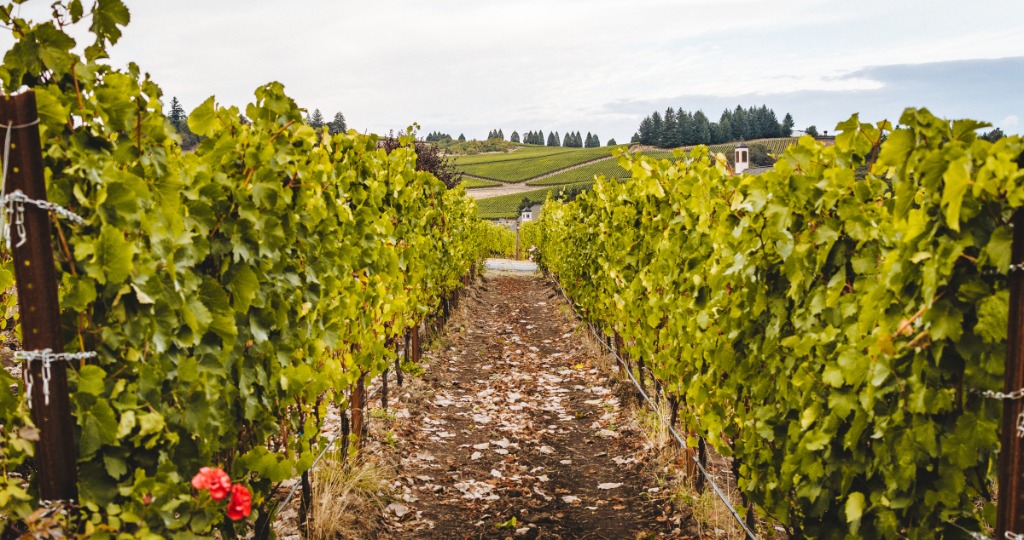
Talk to any winemaker in the Willamette Valley, and they’ll say the key to their success is the land on which they work. Hard-working vintners understand the rhythms of nature and the importance of preserving our landscapes for future generations—and for future vintages.
For that reason, myriad wineries throughout Oregon Wine Country have taken steps over the years toward sustainable winemaking that protects local watersheds, bypasses harmful chemicals, and lets Mother Nature do much of the work.
In many cases, they pursue a variety of standards and certifications to reflect that commitment to crafting not just a better glass, but a better world. Roughly half of all vineyard acres in Oregon Wine Country have been certified as sustainable by at least one third-party organization—such as Demeter USA, Oregon Tilth, Salmon-Safe, and Low Input Viticulture and Enology.
Note that sustainability can have different meanings among winemakers. Not all biodynamic winemakers choose to pursue certification by the Demeter Association, for instance, and many organic wineries employ thoughtful, environmentally minded practices while deciding against applying for official certification for a variety of reasons. Either way, the wineries we’ve called out here are leading the way as groundbreaking stewards of the land.
This isn’t a complete list, but we wanted to celebrate the trailblazers and changemakers taking bold approaches to winemaking. Here’s more about sustainable wineries in the Willamette Valley—and the memorable experiences they offer.
Biodynamic Wineries
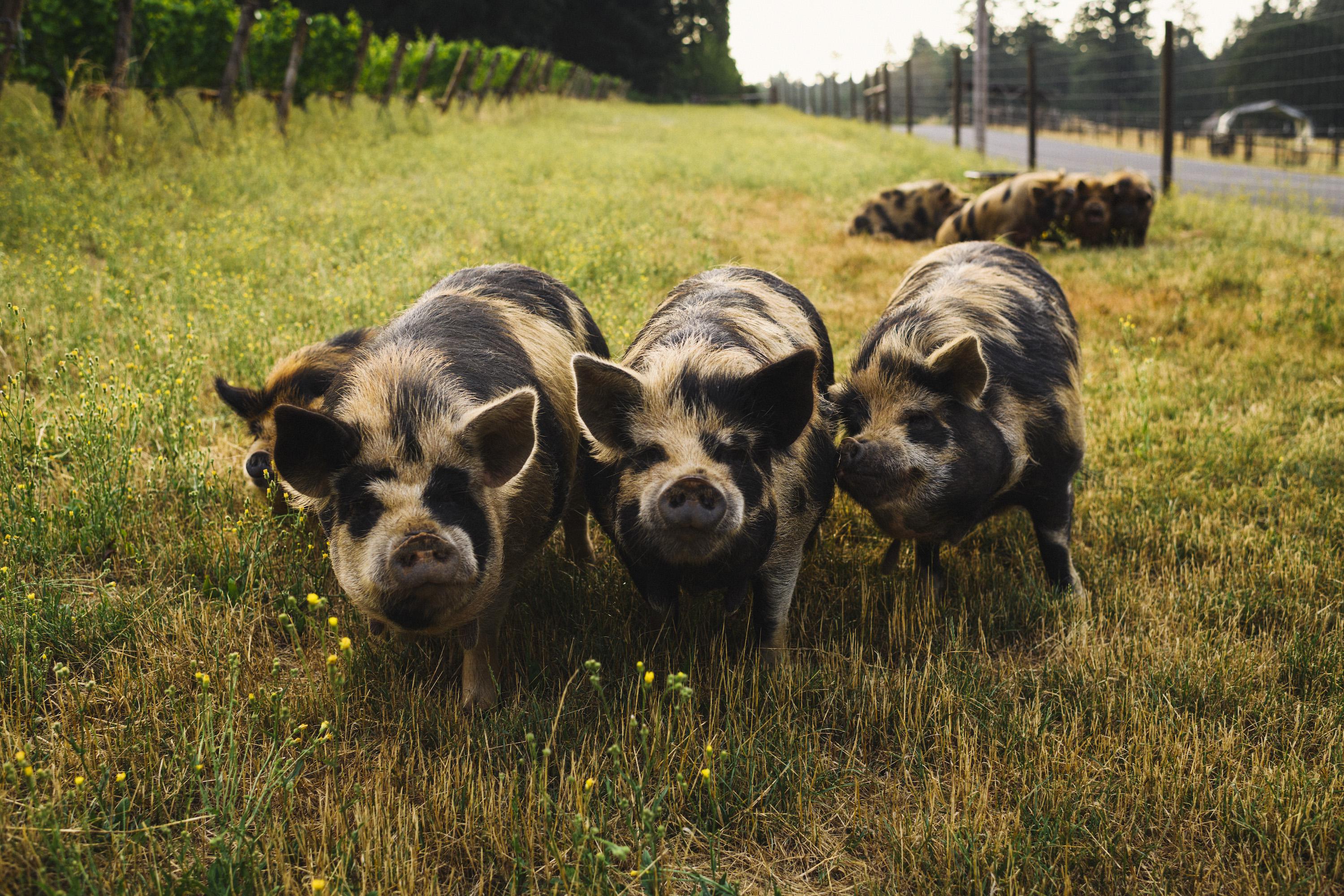
Biodynamic winemaking takes many forms. Some farmers enlist sheep, pigs, and other animals for fertilization and to deter pests—and many bury cow horns filled with ground quartz crystals to introduce minerals and energy that may spur growth. The common thread is that vintners generally approach their crops with minimal intrusion, instead letting Mother Nature's natural processes dictate how the vines grow. Many choose to pursue biodynamic certification through the nonprofit Demeter USA.
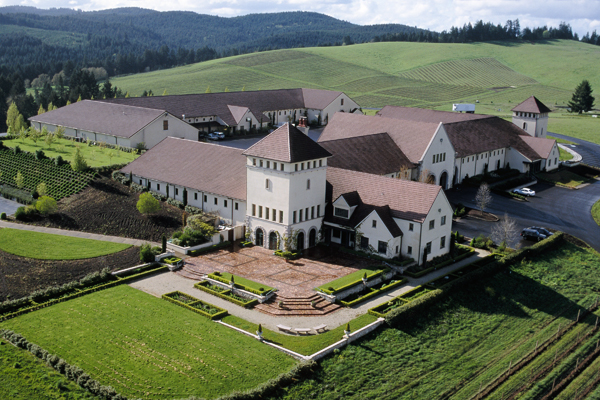
At the southern edge of the Willamette Valley, King Estate Winery is the largest biodynamic-certified vineyard in North America; try its wines on a hilltop patio that overlooks several acres of grapevines and the expansive farmland below.
North of Eugene, meanwhile, Antiquum Farm bypasses certification to employ what it calls grazing-based viticulture; learn about the practice during your tasting, which includes a tour of the Antiquum vineyards.

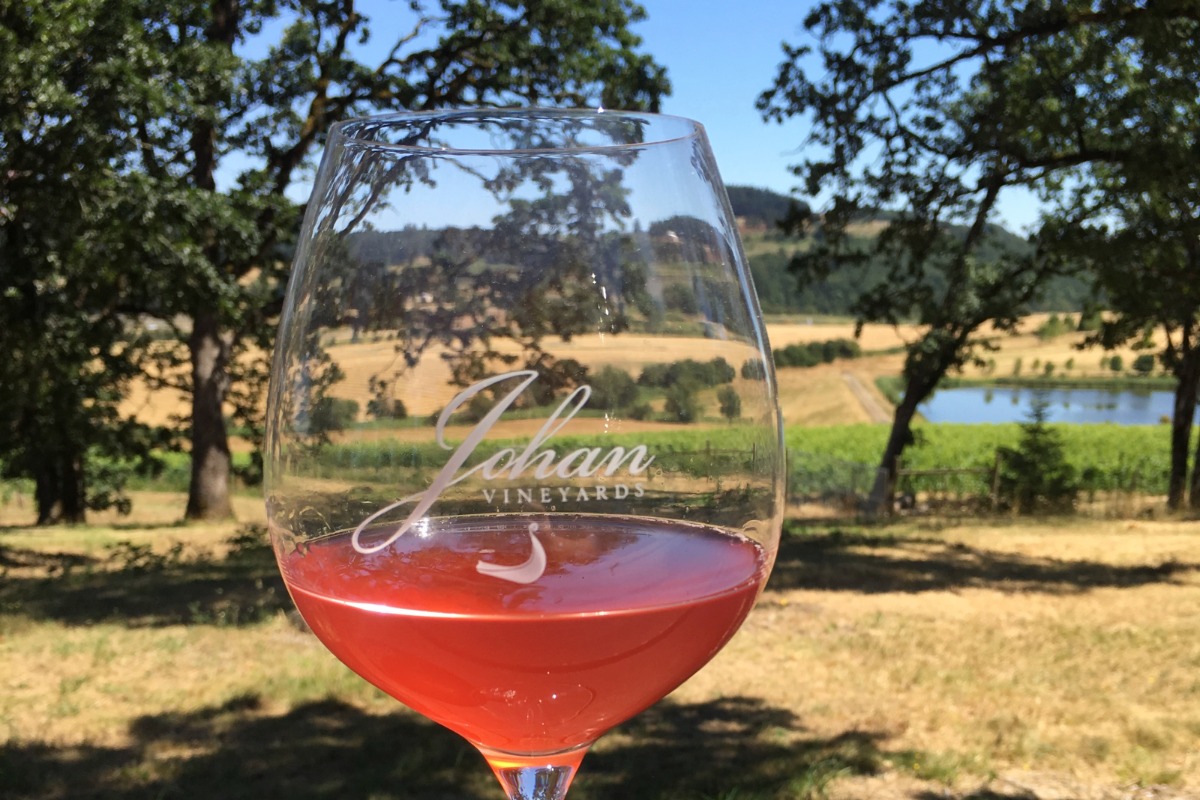
Along Highway 99W, roughly 20 minutes northwest of Salem, Johan Vineyards provides curated flights, as well as tastings that can be paired with vineyard tours for an up-close look at how it all happens.
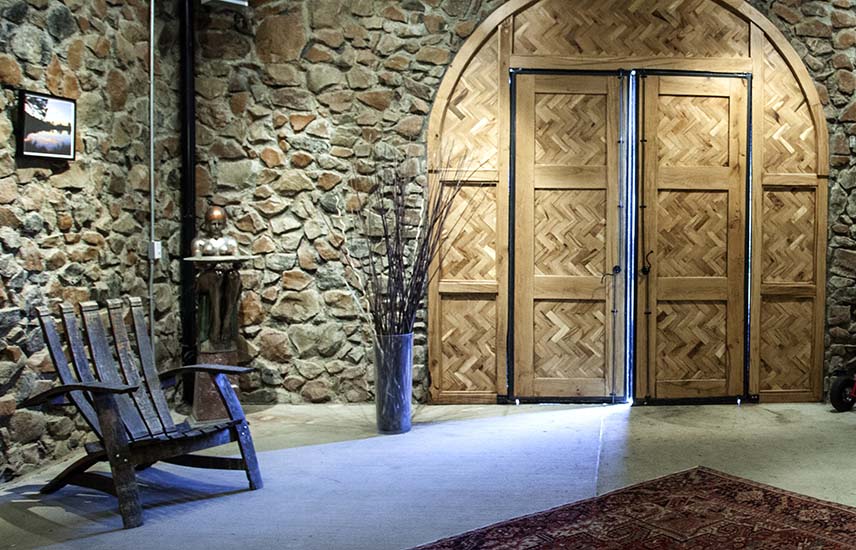
Around McMinnville in the heart of Oregon Wine Country, Maysara Winery uses estate-made compost to grow a variety of grapes across 250 scenic acres. Pair your elegant wines with locally curated charcuterie inside an ornate tasting room.

In the Newberg area, the certified biodynamic Brick House Vineyards forgoes herbicides and other chemicals to grow its grapes—practices the winery has embraced since 1990; try Brick House's wines via private tastings, led by a winemaker, in a one-time barn.
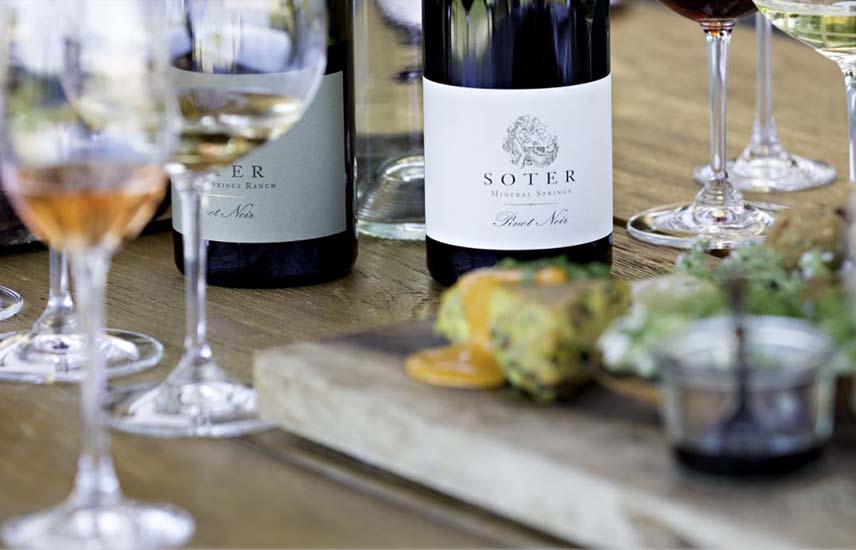
Soter Vineyards takes an inventive approach to its biodynamic-certified operation, inviting Scottish Highland cattle, chickens, pigs, ducks, and turkeys to patrol the vineyards throughout the year. See who's hanging out in the vineyard while enjoying a variety of tasting experiences, available by reservation only, at the Soter tasting room near Carlton.
Organic Wineries
Organic winemaking is a tricky practice to define, since the legal definition may vary from country to country. At its heart, organic winemaking usually includes eschewing chemical fertilizers or pesticides; federal or state-level organic certification, meanwhile, may also hinge on how wines are stored, whether preservatives can be included, and what types of yeast are used. For that reason, you may see wineries celebrating their organic certification; others decide against that step but nevertheless employ organic growing practices.
Between Newberg and Carlton, Lemelson Vineyards was among the state's first vineyards to achieve organic certification from Oregon Tilth, an organization that provides certification and advocates for organic farming; try estate-grown Pinot noir and other varietals in a tasting room that overlooks Lemelson’s vines.
Nearby, Ambar Estate is the Willamette Valley’s first Regenerative Organic Certified winery—which essentially means the winery strives to actively improve the land; learn about that work with a curated tasting or food pairing.
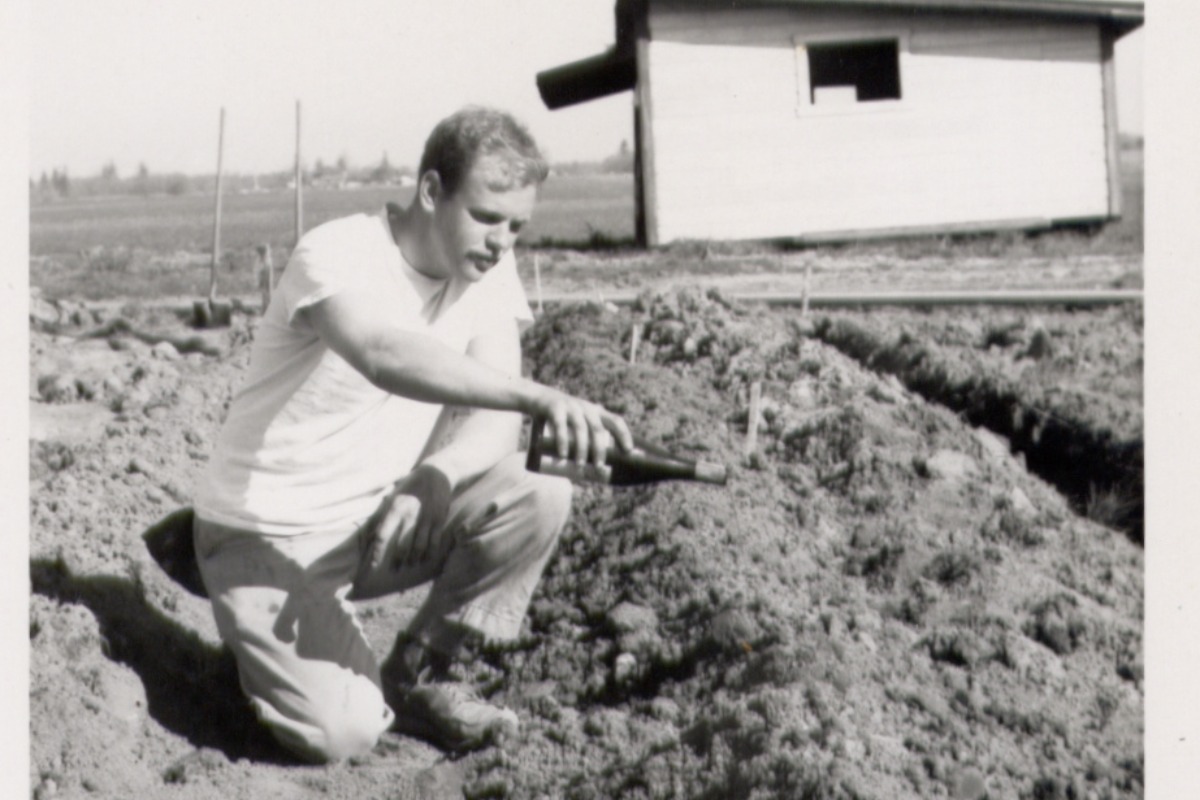
In 1965, David and Diana Lett planted the first Pinot noir and Chardonnay grapes in the Willamette Valley—but their trailblazing doesn't end there. Today, The Eyrie Vineyards is a certified-organic operation, and its nine varieties of grapes are grown with the belief that a natural approach showcases the terroir and character of where they come from. Savor the difference with a tasting, available via advance reservation, at the Eyrie tasting room in downtown McMinnville.
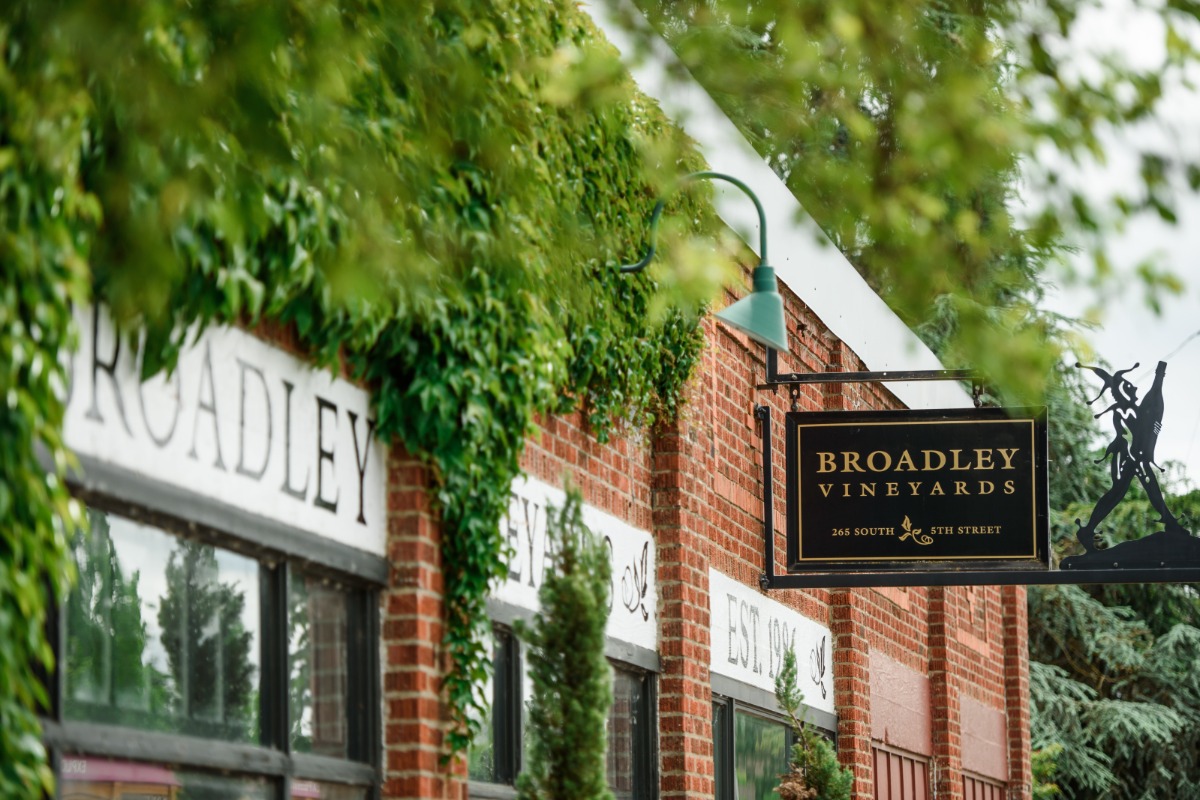
In the community of Monroe, between Corvallis and Eugene along Highway 99W, Broadley Vineyards employs sustainable and organic practices—like declining to use herbicides—on its estate vineyard in the heart of the Willamette Valley. Its tasting room affords views of the neighboring Long Tom River.
Salmon-Safe and Low Input Viticulture and Enology (L.I.V.E.) Certified Wineries
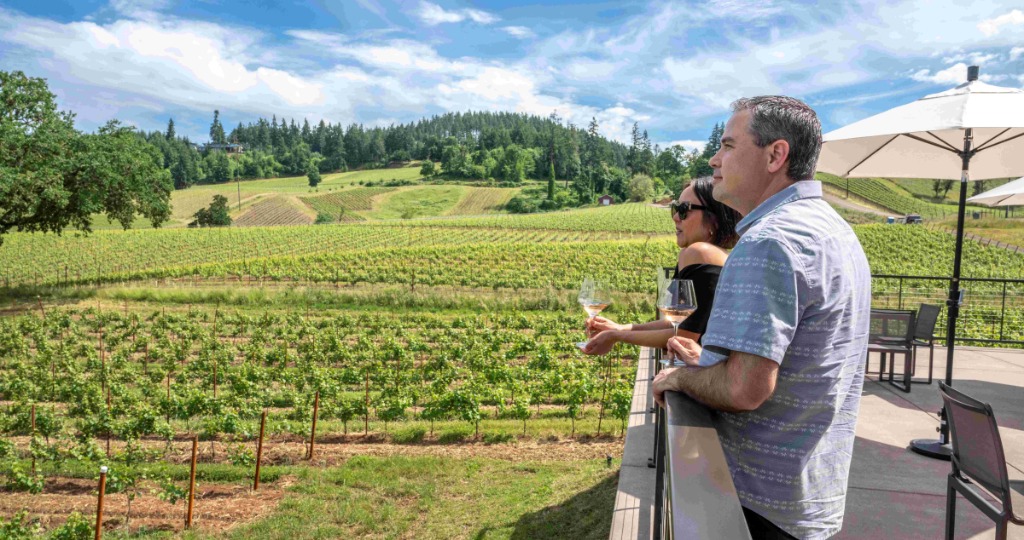
In addition to biodynamic and organic practices, some winemakers seek additional third-party certifications. Salmon-Safe is a regional certification that recognizes vintners who strive to reduce runoff, protect local watersheds, and maintain water quality. Another is Low Input Viticulture and Enology (L.I.V.E.), a Pacific Northwest-based nonprofit that rewards growers for using sustainable practices. Many of the wineries we’ve highlighted here have achieved both Salmon-Safe and L.I.V.E. certifications.
West of Salem, Left Coast Estate has earned plaudits for its sustainably growing wines, composting and reusing all vineyard waste, and even restoring more than 100 acres of an on-site savannah of Oregon white oak. Stop by for wine tastings, wood-fired pizzas, pairings, vineyard tours, and other experiences.
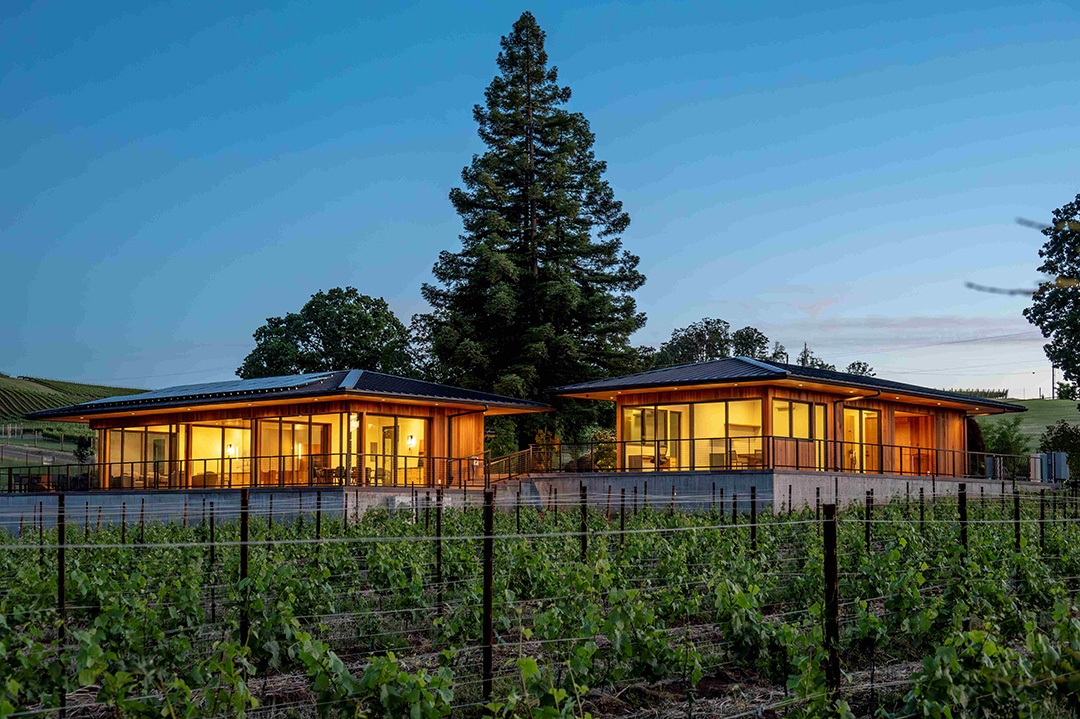
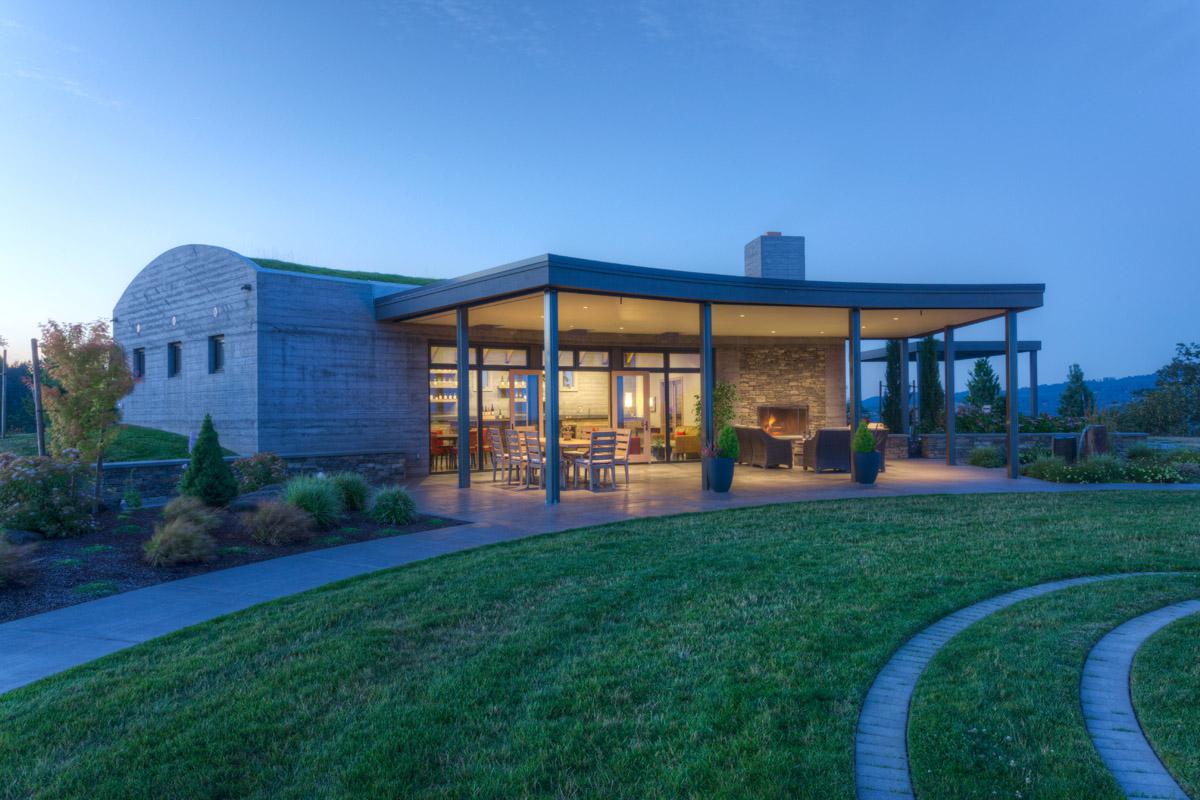
North of Carlton, the family-owned-and-operated Fairsing Vineyard takes several steps to deepen its connection to the land—like hosting a honeybee apiary to bolster pollination, providing nesting boxes for raptors (who assist with pest control), preserving its Oregon white oak trees, and using a specially designed compost to improve soil health. Enjoy Fairsing's wines in a sustainably designed tasting room that uses repurposed wood and affords views of Cascade peaks to the east. Read more about Fairsing Vineyard’s Brandy Grey.
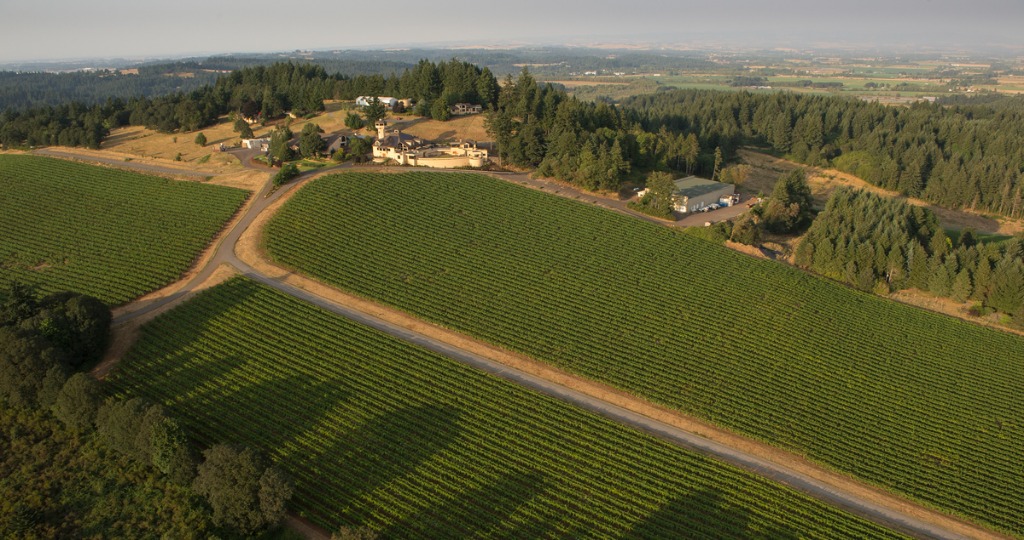
Compris Vineyards grows its grapes in the Chehalem Mountains just outside of Newberg and offers several spaces for trying its organically and sustainably crafted wines—including a terrace that overlooks the distant Dundee Hills, a covered patio outfitted with heaters and blankets for year-round fun, and an indoor tasting room.
Van Duzer Vineyards has long been a champion of sustainable winemaking and has worked tirelessly to preserve the diverse ecosystems on its land outside Salem; in fact, Bruce Sonnen, Van Duzer's vineyards operations manager, is currently a board member of L.I.V.E. Certified. Choose among a handful of tasting experiences at the winery's airy tasting room in the heart of the Willamette Valley.
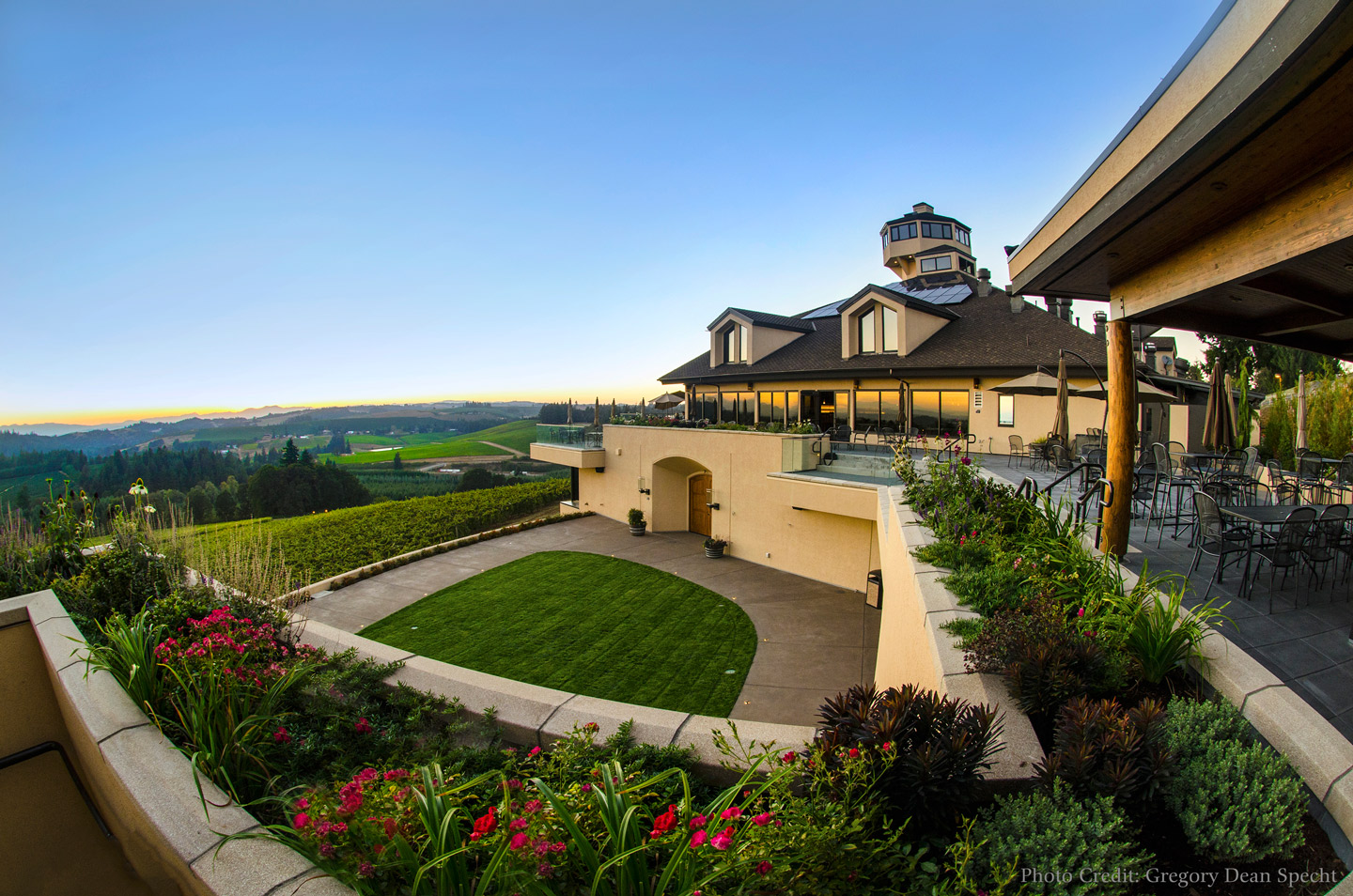
Stewardship and responsible farming has been at the heart of Willamette Valley Vineyards since its inception in 1983. In addition to L.I.V.E. and Salmon-Safe certifications, Willamette Valley Vineyards runs delivery vehicles and tractors on biodiesel, provides habitats for rehabilitated owls to promote pest control, and powers its tasting room with wind and solar energy.
wineries



 Loading Loading