

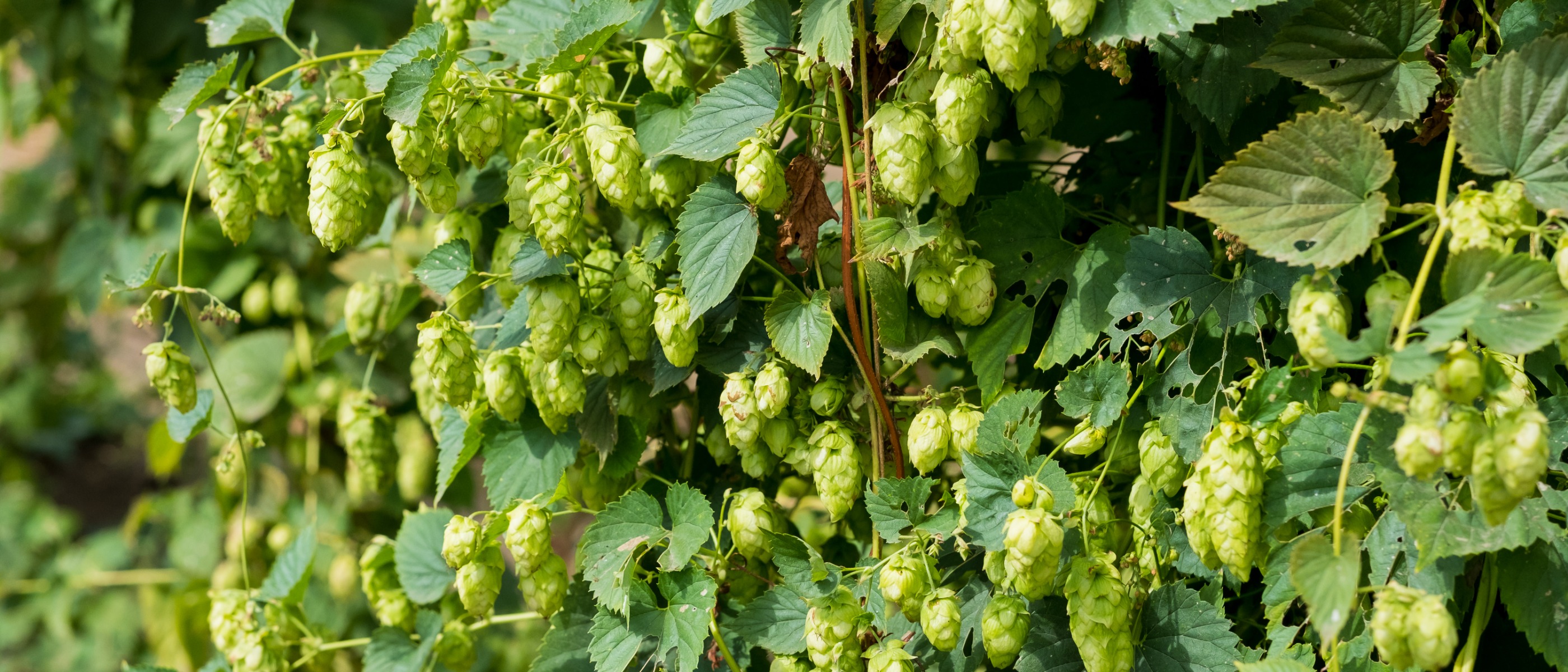
Craft Breweries, Distilleries, and Cider Makers Celebrate the Bounty of the Willamette Valley
Every year, Oregon farmers grow more than 225 crops and commodities—from potatoes and onions to grass seed and cattle. In the Willamette Valley alone, more than 1 million acres are dedicated to growing hazelnuts, berries, wine grapes, and other crops that wind up on dinner plates and in glasses across the region.
Wine grapes might be our most popular export, but local beverage producers pride themselves on using ingredients grown in the Willamette Valley to craft crisp ales and lagers, fruity ciders, and smooth spirits. If you’d like to sample some truly local flavors on your next trip, here are 10 breweries, cider makers, and distilleries incorporating the Willamette Valley’s bounty into their flavorful products.
Root & Rye Hop Farm and Brewery
Roughly halfway between Newberg and Carlton in the heart of Oregon Wine Country, Root & Rye Hop Farm and Brewery sits surrounded by rolling hillsides covered in grapevines. But as its name implies, the new brewery stands out for pouring a balanced blend of IPAs and lagers—many incorporating hops from the on-site, 15-acre hop farm.
Owner Shelly Bigley says that many of Root & Rye's beers use the farm-grown Vera hop, a relatively new type of hop known for its tropical and citrus flavors. Enjoy the rotating lineup of brews inside the spacious taproom, on the covered patio, or around an outdoor fire pit—all of which are in full view of Root & Rye’s signature crop.
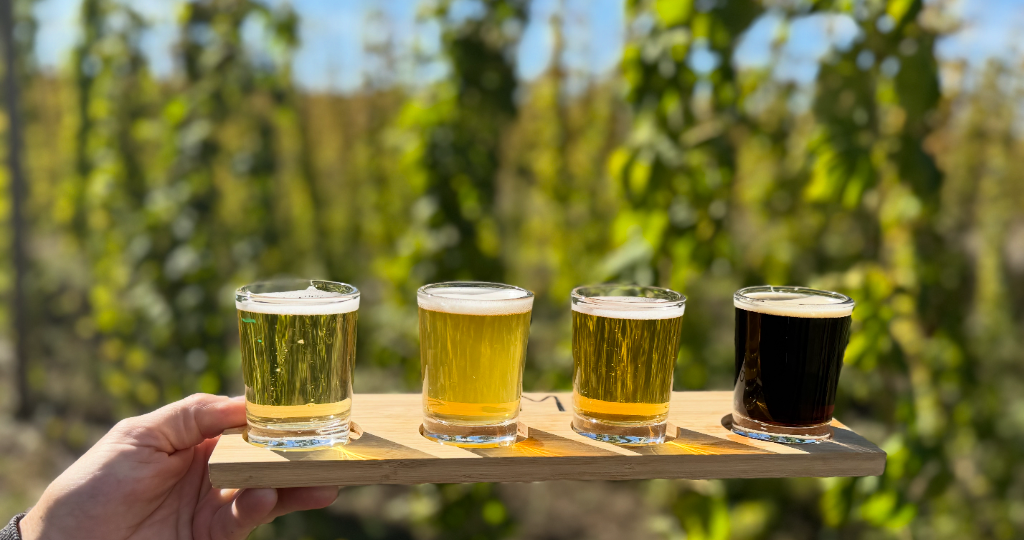
TopWire Hop Project
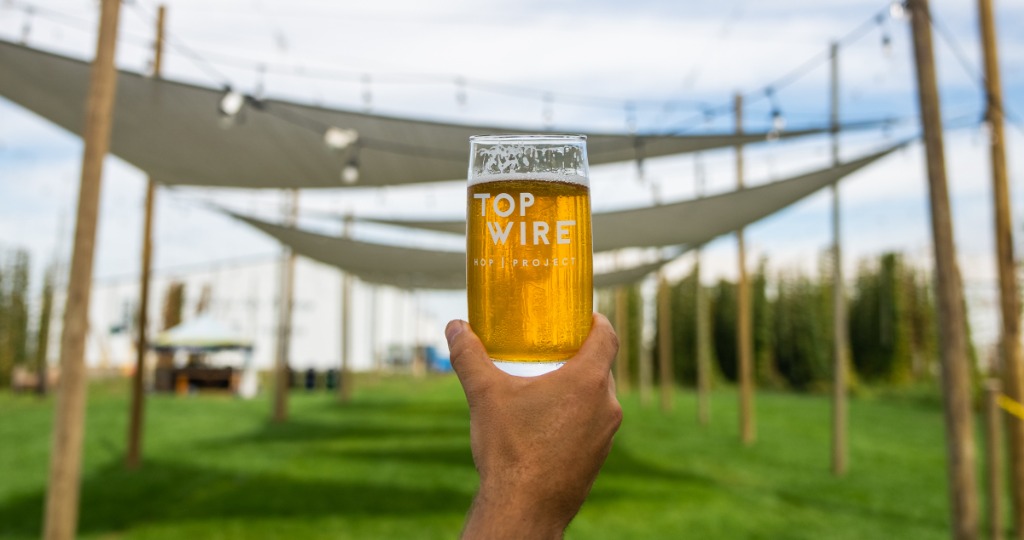
Willamette Valley farmers planted the region's first hops in the 1860s—and by 1905, Oregon was the top hop-growing state in the nation. One of the area's most successful farmers, then and now, was Crosby Hops—which in 2020 opened TopWire Hop Project in one of its hop fields.
The seasonal beer garden, typically open between late April and October near Woodburn, sits surrounded by acres of Crosby hop fields, all of which can grow 20 feet tall by the time harvest begins in late August. Each beer on the TopWire tap list uses at least one Crosby hop—either from the surrounding fields or a neighboring farm just a few miles away. Learn more about TopWire Hop Project, and see why it’s one of the most beautiful brewpub patios in the Willamette Valley.
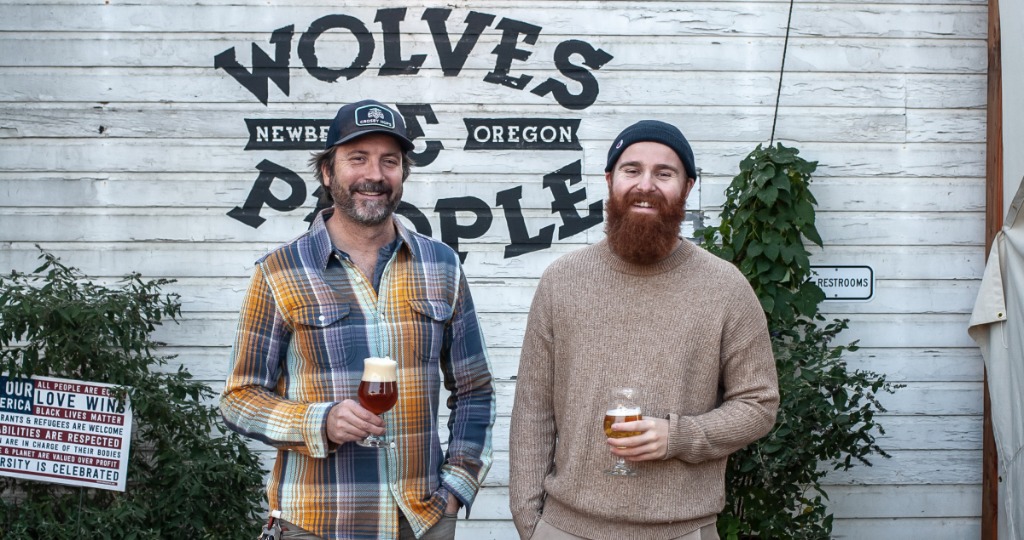
Wolves & People Farmhouse Brewery
Since 2014, Christian DeBenedetti has crafted a variety of unconventional brews in a century-old family barn just outside Newberg. Today, Wolves & People Farmhouse Brewery is known across the region for inventive takes on classic styles and creative recipes—and incorporating Willamette Valley crops into each.
DeBenedetti's commitment to using local ingredients shows up all over the ever-changing taplist at Wolves & People. Hazelnuts are grown just 100 feet from the brewery before getting mixed into a stout. Wild yeast is sourced from the farm's rose hips and beehives, and raw honey is harvested for the brewery's Honeycone IPA. See what’s new at the brewery’s farmhouse taproom just outside Newberg.
Benedictine Brewery
Some of the first hop farmers in the Willamette Valley were Benedictine monks—a tradition carried on today at Mount Angel Abbey and its popular Benedictine Brewery.
The brewery, one of only a few owned and operated by monks in the United States, uses hops grown just across the highway and water from an on-site well to craft a helles, Belgian tripel, pale ale, and other easy-drinking styles. Sample them inside a quiet tasting room or on the patio, which overlooks the abbey’s hop fields, just outside of the town of Mt. Angel.
Salt Creek Cider House
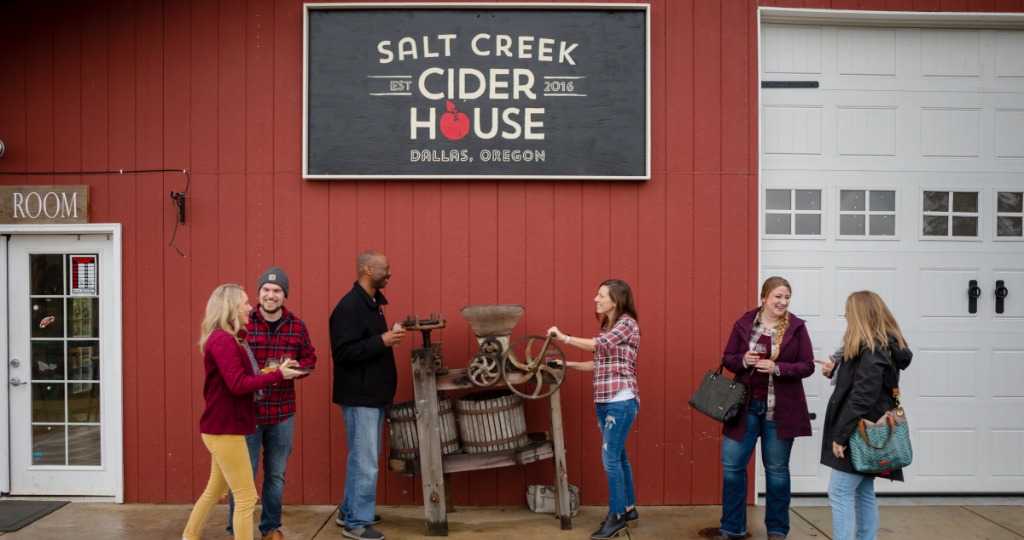
The Willamette Valley is only one of three areas in Oregon where apples are grown, and Salt Creek Cider House takes full advantage by sourcing fruits from an on-site orchard for its lineup of more than a dozen hard ciders. Sitting west of Salem and just off Highway 22, Salt Creek’s ciders are made with farm-grown apples and pears—and some incorporate Willamette Valley crops, like marionberries, for fruit-forward blends.
While visiting Salt Creek, make time for a quick visit to the neighboring Baskett Slough National Wildlife Refuge—one of three national wildlife refuges in the Willamette Valley. A wide range of plants and animals frequent or build habitats on the refuge, and a few birds even occasionally stop by Salt Creek’s on-site pond.
2 Towns Ciderhouse
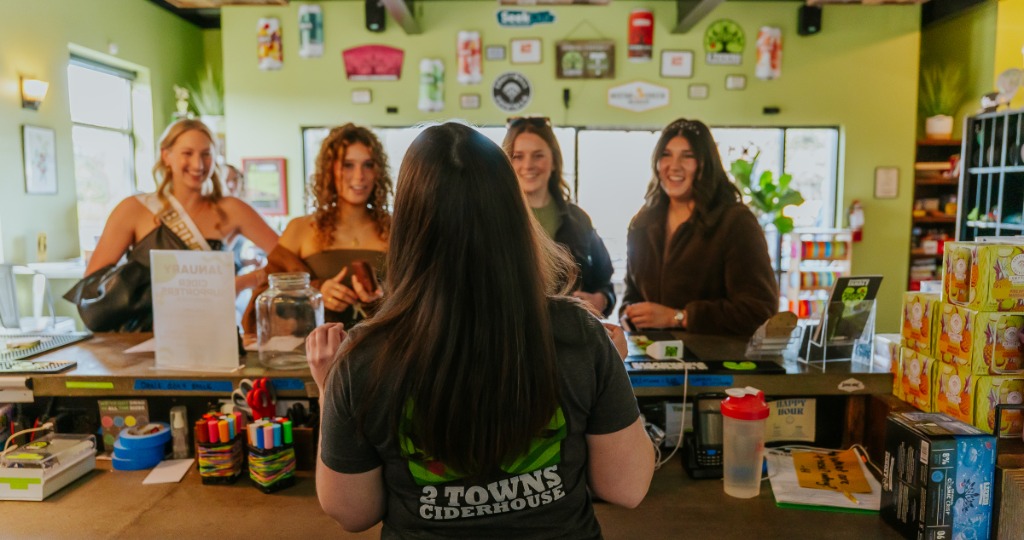
No story about craft beverage makers and local ingredients would be complete without a nod to 2 Towns Ciderhouse, a Corvallis institution that has become a regional powerhouse since launching in 2010. 2 Towns planted its first heirloom cider orchard in 2012 and continues to draw on those trees today, as well as fresh-pressed apples from throughout the Pacific Northwest, for its lineup of wide-ranging ciders.
Try nearly two-dozen house-made ciders—including a number of barrel-aged and fruit-infused offerings—at the 2 Towns tasting room just across the Willamette River from downtown Corvallis. It’s an essential stop on any fun-filled weekend in Corvallis.
Art+Science Cider & Wine
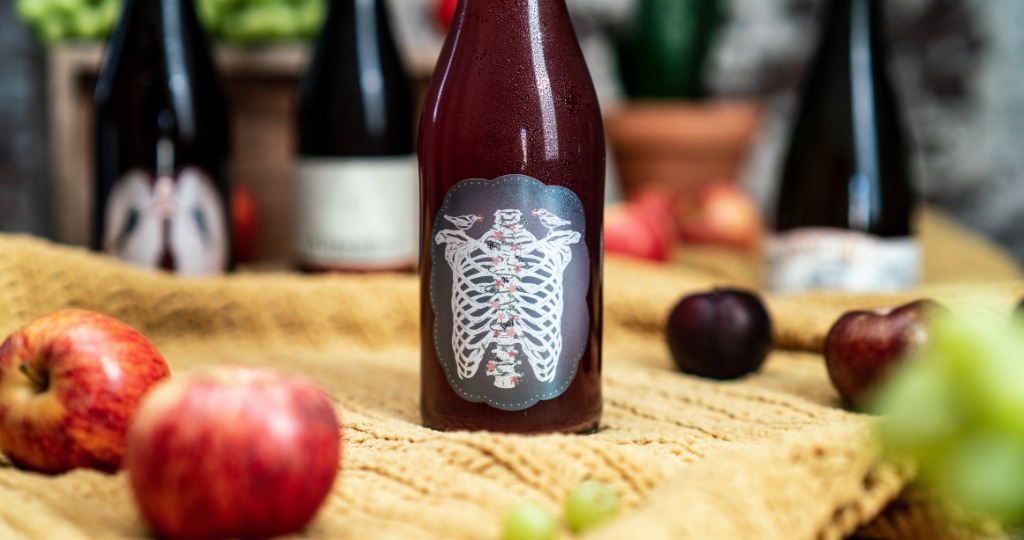
The Sheridan-based Art+Science Cider & Wine is all too happy to get creative with its complex ciders, perries, wines, and blends.
The husband-and-wife team behind Art+Science grows roughly 100 apple varieties on their farm near Sheridan—but also incorporates Willamette Valley fruits and foraged apples into its recipes. Whatever they craft is usually done with organic and biodynamic practices, which puts the fruit flavors front and center. Try the diverse beverages on the family farm, whose outdoor tasting room is open on weekends in summer southwest of McMinnville.
Bauman’s Cider Company
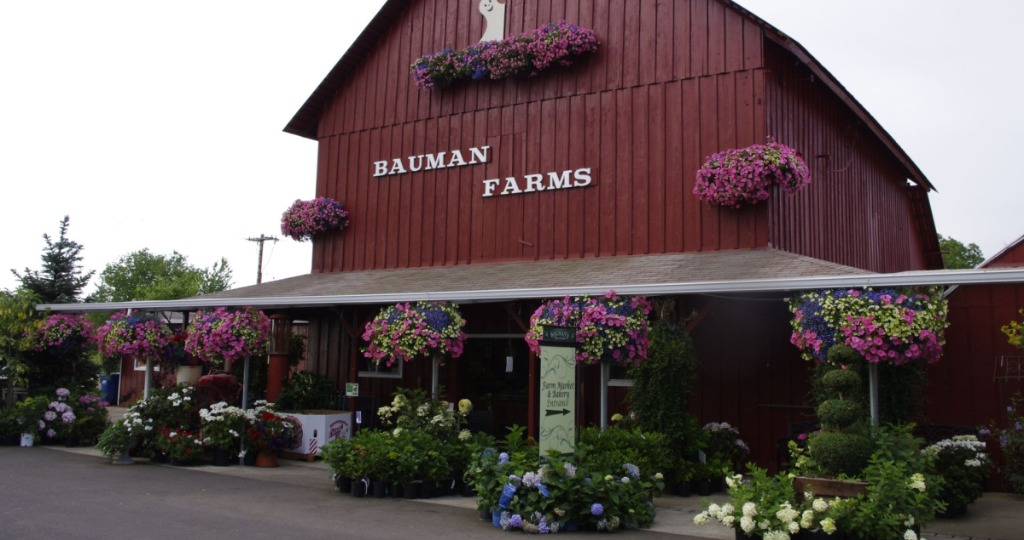
Not far from the likes of Woodburn and Salem, Bauman's Cider Company produces hard ciders on land that's been in the family since 1895. The Bauman family made its first cider in the early 1900s, and that legacy continues today with ciders that use apples and fruits grown and harvested on Bauman's Century Farm; many incorporate boysenberries, cranberries, peaches, strawberries, and other local fruits for flavorful combinations. Stop by Bauman’s Farm & Garden for pours and bottles of housemade hard cider, as well as a variety of other farm-grown items.
Divine Distillers
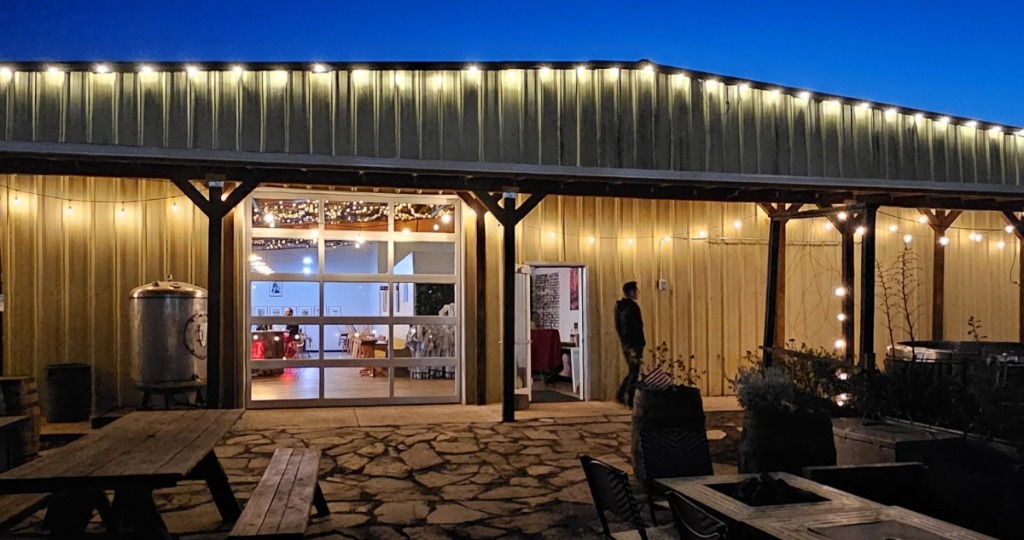
Divine Distillers resides near the northern edge of Independence, and since opening in 2018, has earned acclaim as a small-batch distillery that leans on local fruit whenever possible. That meant, at various times, incorporating apples, berries, and other Willamette Valley ingredients into fruit brandies, rums, whiskeys, and other easy-drinking spirits. Sip your way through the Divine lineup of spirits and cocktails while warming up next to a firepit on the distillery's covered patio—or in The Inferno, Divine’s on-site restaurant.
Branch Point Distillery & Tasting Room
While founding Branch Point Distillery in 2016, Steven and Debra Day wanted to craft whiskeys that reflected their surroundings in the Willamette Valley—but had difficulty sourcing soft white winter wheat, a key ingredient, from neighboring farms. So rather than pivot or scrap his plans altogether, Steven turned to a little-known grain called triticale—a kind of wheat and rye hybrid—for his flagship whiskey.
Today, you can taste the difference in Branch Point's TRIT Straight Whiskey, whose signature grain is grown nearby. TRIT, along with the distillery’s other whiskeys, can be enjoyed at the Branch Point tasting room near Dayton; whiskey flights, miniature cocktail flights, and barrelhouse tasting experiences are all available.