
Traditional Method Sparkling Wines on the Rise in the Willamette Valley
The Willamette Valley is rightfully known the world over for its bold pinot noir and playful chardonnay. But the natural factors that attract the world’s top winemakers—mild weather, nutrient-rich soils, rolling hillsides, and a wide range of microclimates—also make the valley an excellent home for another style of wine that’s been in vogue in recent years: sparkling wine.
Robin Howell, winemaker at Sokol Blosser Winery, says the style has grown enormously around the Willamette Valley—partly due to the lower alcohol content and trendiness among younger wine drinkers. “I think people want something fun,” she says. “Sparkling wine is going to be more playful.”
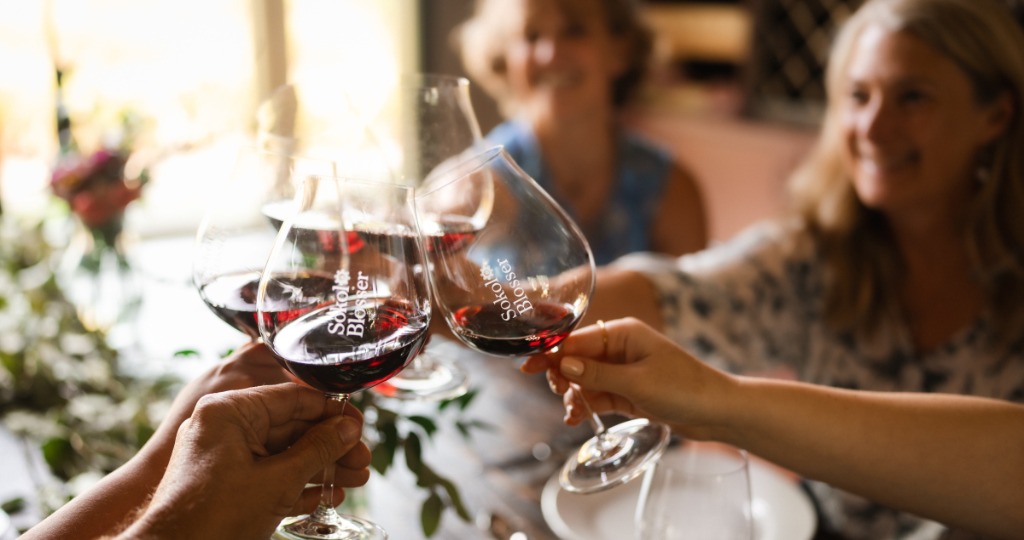
Photo Credit: Carter Hiyama/Sokol Blosser
There are several techniques for making a good sparkling wine, but one stands out for the time it takes and the delicate flavors it brings out of each pour: the traditional method, which is getting its day in the sun in 2026. It began with the creation of the brand-new Best Oregon Bubble Trail, continued with the development of a new standard that establishes baselines for traditionally made sparkling wines in Oregon, and will culminate with the summertime Method Oregon Grand Tasting Weekend.
So as you plan your next wine-tasting adventure around Oregon Wine Country, here’s what to know about perfectly effervescent sparkling wines made with the traditional method—and where to find them.
Explaining the Difference Between Champagne and Sparkling Wine
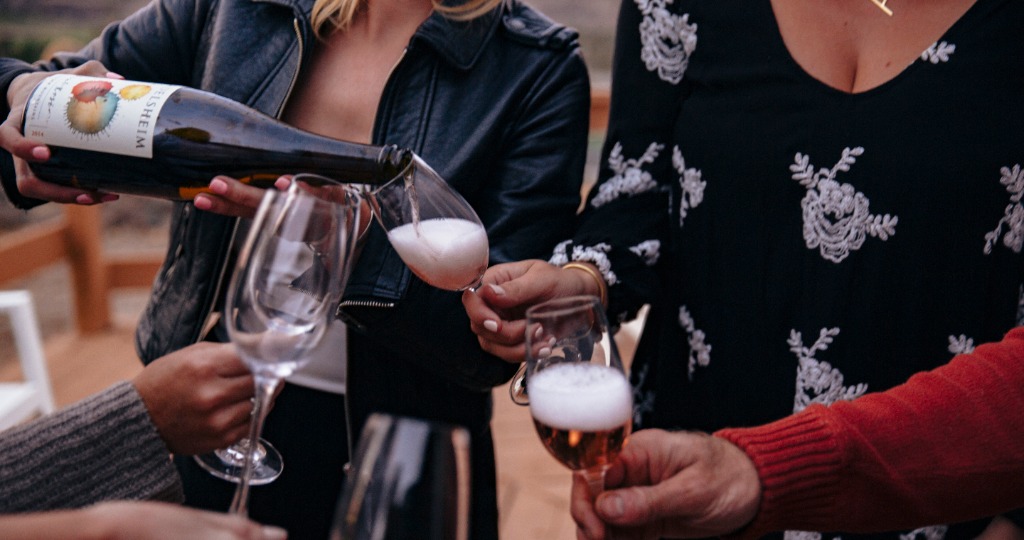
Photo Credit: Adelsheim
The so-called “traditional method” is one of several techniques for producing your favorite sparkling wines. And even if you've never had a sparkling wine or don't know what the traditional method entails, chances are good you at least have a passing familiarity with it. The approach, after all, is what's used to make Champagne. “It’s just language, but it's the same technique,” Howell says.
That gets at the main difference between Champagne and the sparkling wines you’ve likely enjoyed on tasting room patios and at dinner parties with friends. They’re all the same beverage, but only sparkling wines produced in the Champagne region of France can officially be called Champagne; around the rest of the world, those same beverages are called sparkling wines.
What is the “Traditional Method” of Making Sparkling Wines?
No matter where they’re made, sparkling wines go through a similar winemaking process. The traditional method starts with fermenting juice into a base wine, which is then blended with other wines to form a cuvée. From there, the cuvée is mixed with what’s called liqueur de tirage—a mixture of yeast and sugar—and bottled to begin the wine’s secondary fermentation. The yeast cells are eventually filtered out, and the winemaker adds a little wine and sugar for a touch of sweetness before final corking. In all, a sparkling wine may age anywhere from nine months to five years before it’s ready for primetime.
What sets the traditional method apart from other winemaking techniques? In essence, sparkling wines made with other approaches are aged in tanks, rather than individual bottles. Howell says that wine fans can taste the difference when they pour a glass of sparkling wine made in the time- and labor-intensive traditional method. “You get more complex layers of flavor,” she says.
That care and attention given to each bottle was codified in the brand-new Method Oregon Standard, announced in March 2026 to educate customers and establish what it means to be a sparkling wine made in Oregon. The standard maintains that sparkling wines must be entirely made in Oregon with the traditional method—and, as of 2029, that grapes must be grown with sustainable farming and adorned with informative labels. In all, 45 Method Oregon members developed the standard to help raise the beverage's profile.
Interested in tasting the difference yourself? Start your journey around Oregon Wine Country with a guided tour for a safe, convenient experience.
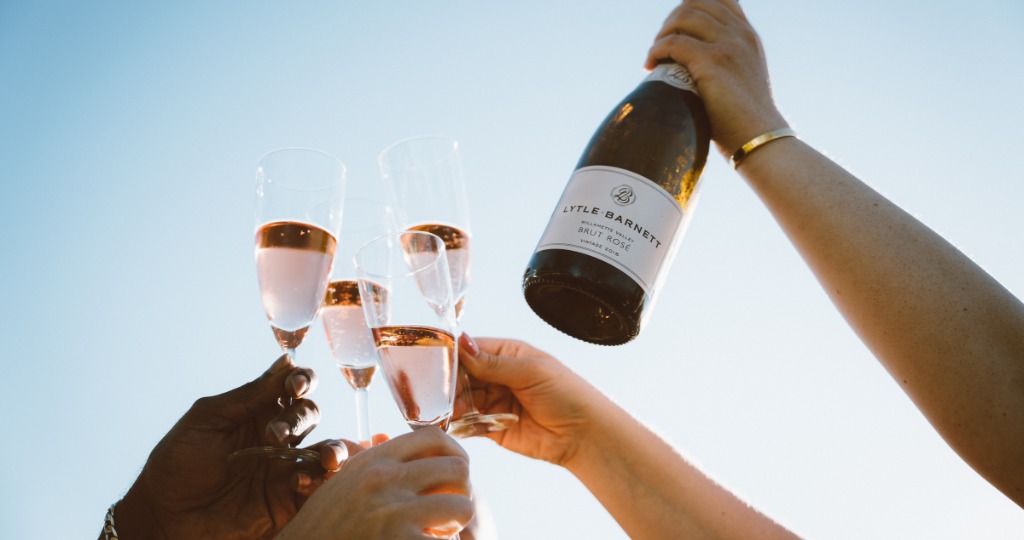
Photo Credit: Kelsey Chance
What Goes Into Making a Well-Balanced Sparkling Wine in the Willamette Valley
Howell says there’s a lot of intention that goes into crafting a stellar sparkling wine, especially with the traditional method.
For starters, the grapes must be grown in a vineyard where they ripen a little slower—which helps the fruit retain its acidity and lower the intensity of the tannins. (Tannins are the compounds that give, say, a pinot noir its rich, earthy flavors—ideal for those full-bodied varietals but less so for lighter sparkling wines.) Grapes should also be picked before they’re fully ripe, which favors more delicacy, lower alcohol content, and fewer intense flavors in the finished product.
It’s a delicate balance to strike, made all the more challenging because winemakers must anticipate how the wine will evolve for up to five years while aging—and which flavors the added carbonation will bring to the forefront of the wine. “Once you put the carbonation in there, everything’s amplified,” Howell says. “So the challenge of it is exciting.”
Where to Enjoy Sparkling Wines in the Willamette Valley
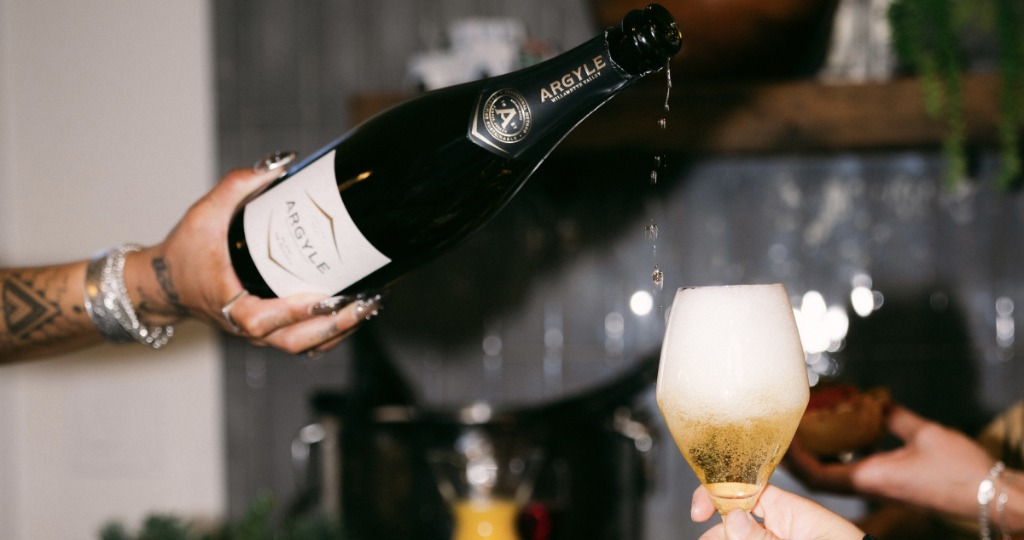
Photo Credit: Argyle
As one of the top wineries in the Willamette Valley, Sokol Blosser Winery produces all of its sparkling wines with the traditional method—but they’re not alone among regional wineries. For a fine overview of where to find more of the bubbly pours, follow the Best Oregon Bubble Trail. The self-guided trail was introduced as a seasonal celebration in February 2026, but it brings together 14 wineries—including heavyweights like Adelsheim Vineyard, Stoller Family Estate, ROCO Winery, and Argyle Winery—that specialize in the traditional method of making sparkling wines throughout the year.
If you’re considering a summer getaway, try to plan around attending Method Oregon Grand Tasting Weekend—a multi-day event dedicated entirely to sparkling wines made in the traditional method. The weekend will include education, food pairings, tastings, and other fun events.
Whenever you decide to visit, turn your trip into a memorable weekend with the help of 10 luxurious lodgings in Oregon Wine Country.